What Starters, Movers and Flyers actually measure
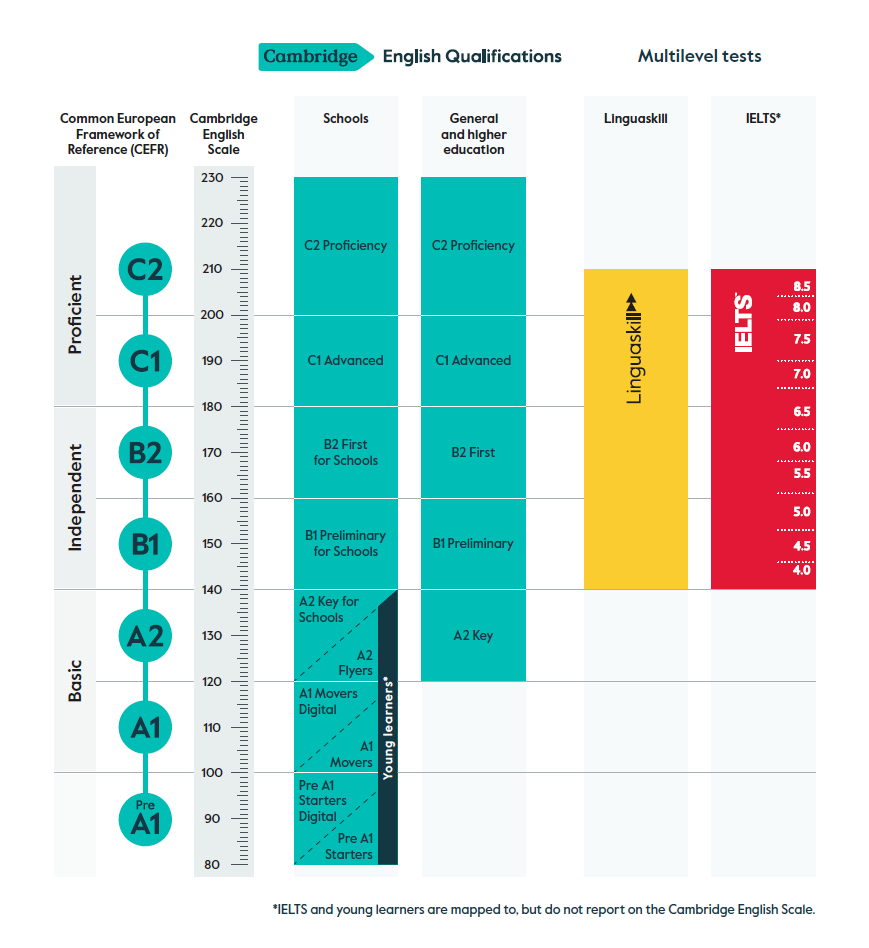
These are the three Cambridge Young Learners English (YLE) levels, each testing listening, reading, writing and speaking at a growing level of difficulty. They map onto the CEFR framework — the international standard for describing English ability — roughly from Pre-A1 through A2. They are not pass/fail exams; children receive shields (1 to 5) showing how they performed in each skill, which makes them encouraging rather than stressful for young learners.
Why the level matters more than the age
A common misconception is that a certain grade should sit a certain exam. In reality, readiness depends on where a child's English actually is, not their age or grade — which is why a good programme assesses a child's current level first, rather than slotting them into an exam by default.
What a certificate is actually useful for
Beyond the shields themselves, the value is the structure: a clear next step, a recognised international benchmark, and — for many parents — an early, low-stakes way to build a child's comfort with formal assessment, which pays off years later in school exams and interviews.
What to ask before enrolling
Ask what level your child is currently assessed at, what the path to the next level looks like, and how progress is tracked between now and the exam. A programme that can answer all three specifically, rather than generically, is one that's actually teaching to your child rather than to a syllabus.